Summary
IT asset disposition (ITAD) documentation should connect the equipment an organization releases with its data treatment, final disposition and financial settlement. An ITAD project should close when those records reconcile and the organization has resolved any exceptions.
That distinction matters when an office has been cleared but the asset register still contains unresolved equipment. IT needs to know which devices left service. Security needs evidence of the agreed data treatment. Finance needs a settlement it can trace to the project. A delivery receipt cannot answer all of those questions.
Table of contents
- Which ITAD records should you agree before pickup?
- How do custody and sanitization records differ?
- What happens if data sanitization fails?
- How should an ITAD settlement match the inventory?
- What should you verify about downstream partners?
- When is an ITAD project ready to close?
- Frequently asked questions
- Related resources
- Sources
Which ITAD records should you agree before pickup?
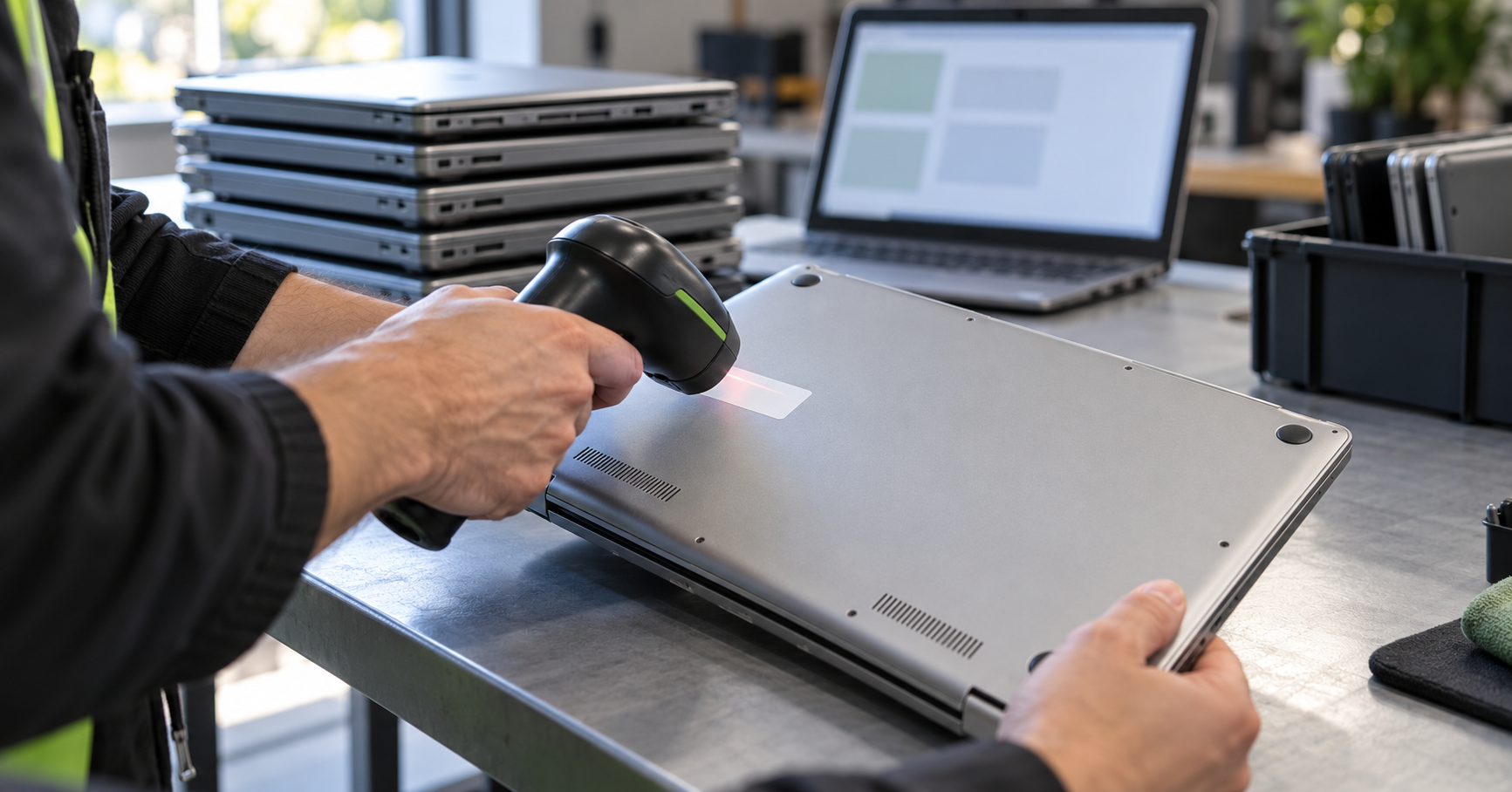
Start by agreeing which assets need individual tracking and how they will be identified. Serial numbers and internal asset tags can serve different purposes, so decide how the two will be connected. Include the location and the person or role responsible for approving the transfer.
The level of detail should match the equipment and the organization's requirements. A pallet count can support a transport record, but it cannot on its own establish the final status of a particular laptop or storage device. For equipment requiring serialized tracking, agree how the pickup inventory will connect to the processing report.
Discuss exceptions while the equipment is still available to inspect. What happens if a serial number cannot be read, a device contains an unexpected drive or the received quantity differs from the collection record? Assign responsibility for investigating and approving corrections rather than leaving those decisions to the final invoice.
How do custody and sanitization records differ?
A chain-of-custody record addresses who held the equipment and when it changed hands. A sanitization or destruction record addresses the treatment applied to data-bearing media. The records should connect, but they answer different questions.
NIST SP 800-88 Rev. 2, published in September 2025, provides guidance for establishing a media-sanitization program based on the sensitivity of the information. It supersedes Revision 1. 1 Use the applicable guidance and your organization's requirements to define what the provider must do and document.
What happens if data sanitization fails?
Ask the provider how it selects a treatment for the media involved, how it checks the result and how an exception is handled. The answer should distinguish a completed process from a failed or incomplete attempt. Agree who can authorize a different method and what record will show the final outcome.
The method also affects what can be reused. Destruction can be appropriate for a particular device or requirement, but it removes reuse options for the destroyed component. Where the approved treatment permits reuse, the organization can consider recovery value after the data-handling requirement has been met.
A familiar certificate heading is not enough to evaluate the project. Ask for a sample record before the engagement and check whether its identifiers will map to your inventory. Confirm what the result field means and how unresolved items will be reported. These are procurement questions, not paperwork to improvise after equipment has left the site.
How should an ITAD settlement match the inventory?
If the engagement includes resale proceeds or a buyback, agree on the commercial model before collection. An outright purchase, a revenue share and a fee-based service place different responsibilities on each party. The settlement should make clear how the agreed model was applied.
Ask which costs may be deducted, when condition is assessed and who approves changes. If a proposal assumes that equipment is working or complete, confirm how the provider will treat missing components or failed devices. An estimate without those assumptions is difficult to compare with another offer.
Did the provider receive what we released?
Reconciled inventory and documented differences.
What happened to the data-bearing media?
Linked treatment records and resolved exceptions.
What was reused or sent for recycling?
Disposition results at the agreed tracking level.
How was the settlement calculated?
Agreed fees, adjustments and recovery basis.
Keep unexplained items open. A device absent from a final report may reflect a data-entry problem, a changed identifier or an actual discrepancy. The report should make investigation possible; it should not force the asset owner to guess.
What should you verify about downstream partners?
Equipment may move to other facilities during reuse or recycling. Ask which activities the contracted provider performs and which it passes to downstream partners. Agree what documentation you will receive about those outcomes.
SERI's R2v3 summary describes evaluating equipment for reuse before materials recovery and explains that certification scope identifies the operations certified at a particular facility. 2 When a provider refers to an R2 partner, request the relevant certificate and check the facility, scope and validity. A partner's certification should not be described as the contracting company's own certification.
Reporting should also distinguish equipment reused from material recycled. A single weight total may be useful for one purpose while leaving the asset owner unable to answer another question. Decide which outcomes need to be reported and at what level of detail before the work begins. The difference between ITAD and recycling helps define the scope.
When is an ITAD project ready to close?
A workable closeout package should let the organization connect its inventory to custody transfers, the agreed data treatment, final disposition and financial results where applicable. It should also explain every exception that required a separate decision.
Keep those records together under the organization's retention policy. If several departments need the information, identify the owner of the final package and where approved corrections will be stored. That gives a later reviewer a consistent record rather than a collection of conflicting spreadsheets and emails.
2nd Life's ITAD services include documented pickup, asset audit, data destruction with audit records, valuation and responsible disposition. Viable equipment is evaluated for reuse, while true end-of-life material moves through R2 recycling partners. 3 For an upcoming retirement, share the equipment list, locations and required records so the project can be scoped before collection. Request an asset valuation.
Frequently asked questions
What documentation should an ITAD provider supply?
Agree on the required package before pickup. It should connect the released inventory to custody transfers, data sanitization or destruction, final disposition and financial settlement where applicable. Include a record of discrepancies and how they were resolved.
Is a pickup receipt enough to close an ITAD project?
No. A pickup receipt records a transfer, but it does not establish the final data treatment, reuse or recycling outcome, or settlement. Close the project when the agreed records reconcile and outstanding exceptions have been resolved.
How do chain-of-custody and data sanitization records differ?
Chain-of-custody records show who held the equipment and when it changed hands. Sanitization records show the treatment applied to data-bearing media and its outcome. The identifiers should let you connect the two records to the relevant assets.
What should happen when data sanitization fails?
The provider should report the exception and follow the agreed process for authorizing another treatment. The final record should identify the outcome and connect it to the affected media. A failed attempt should not be presented as completed sanitization.
Does using an R2 recycling partner mean the ITAD provider is R2 certified?
A partner's certification does not establish the contracting provider's own certification. Check the certificate for the facility performing the work, its scope and its validity. Ask which activities each organization performs and what records you will receive. 2
Related resources
- ITAD pickup checklist: how to prepare retired equipment
- Scope an ITAD project with 2nd Life
- Understand the difference between ITAD and recycling
Sources
[1] NIST, September 2025. SP 800-88 Rev. 2: Guidelines for Media Sanitization.
[2] SERI. Summary of R2v3 requirements. See management hierarchy and facility certification scope.
[3] 2nd Life, Secure ITAD for end-of-life technology. Sources reviewed October 20, 2026.